Skip to content
ACES Nursery, Primary and Secondary School
No. 2 Gongola Street, Area 2, Garki, Abuja

Blog

HomeBlog
Education in Nigeria

What is changing in Nigerian schools — and what we are doing about it

Notes from the ACES staff room on the questions shaping Nursery, Primary and Secondary education across the Federal Capital Territory and the country — and how we are answering them on our own campus.

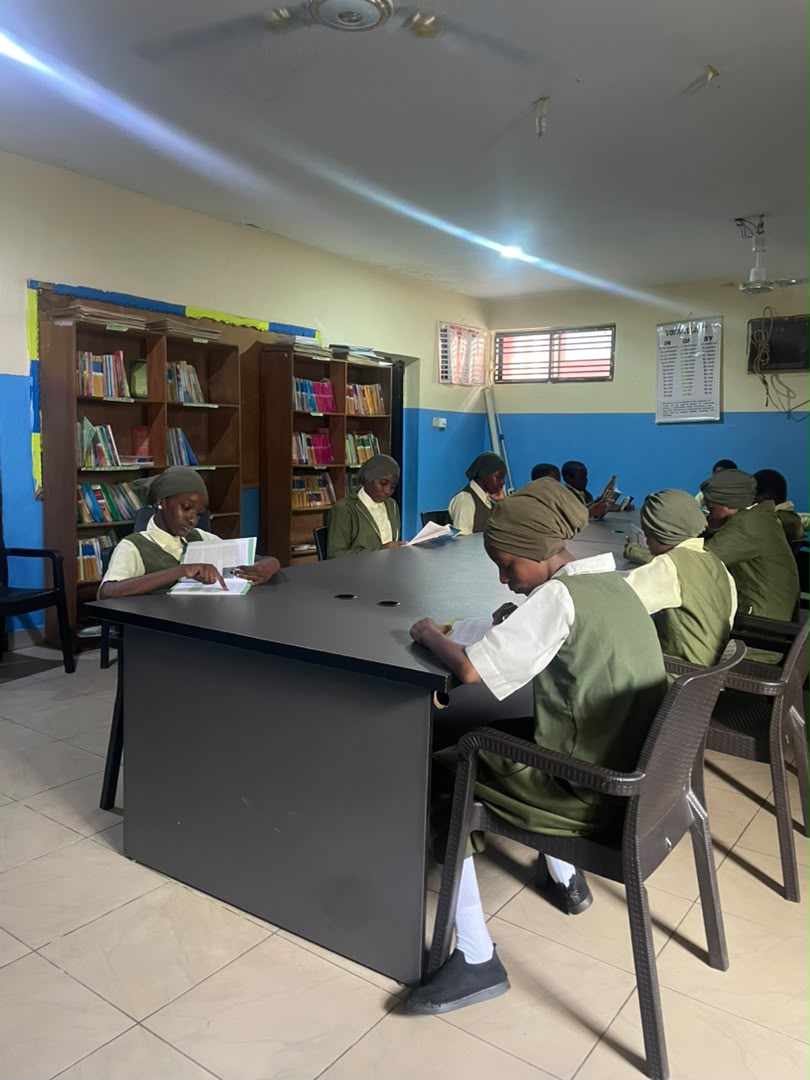
ACES pupils reading in the school library

Foundational literacy and numeracy: why the first six years decide the next twelve

Nigeria’s basic education system is built on the Universal Basic Education framework — nine years of compulsory schooling that every child is entitled to. The structure is sound. The persistent national worry is not enrolment but mastery: how many children can genuinely read a simple passage with understanding, and handle number confidently, by the end of Primary.

This is the concern educators now group under foundational literacy and numeracy. It matters more than any other single measure, because almost everything that follows depends on it. A child who reaches Junior Secondary without fluent reading does not struggle only in English — they struggle in Biology, in Civic Education, in Mathematics word problems, in every subject where the instruction has to be read before it can be answered.

Where ACES puts its weight. The single most effective lever a school controls here is class size, and we cap ours at 15 to 20 pupils. That is not a marketing number. It is the difference between a teacher hearing every child read each week and hearing only the confident ones. It is what makes it possible to notice, in October, that a particular child is guessing at words rather than decoding them — and to act while it is still easy to fix.

Our Nursery and Primary sections run as one continuous pathway rather than two separate schools, so nothing is lost in the handover. Literacy and numeracy sit at the core of the curriculum, with the Arts, Science and Social Studies built around them — and our Library & Resource Centre exists so that reading is something children do for pleasure, not only when they are assessed on it.

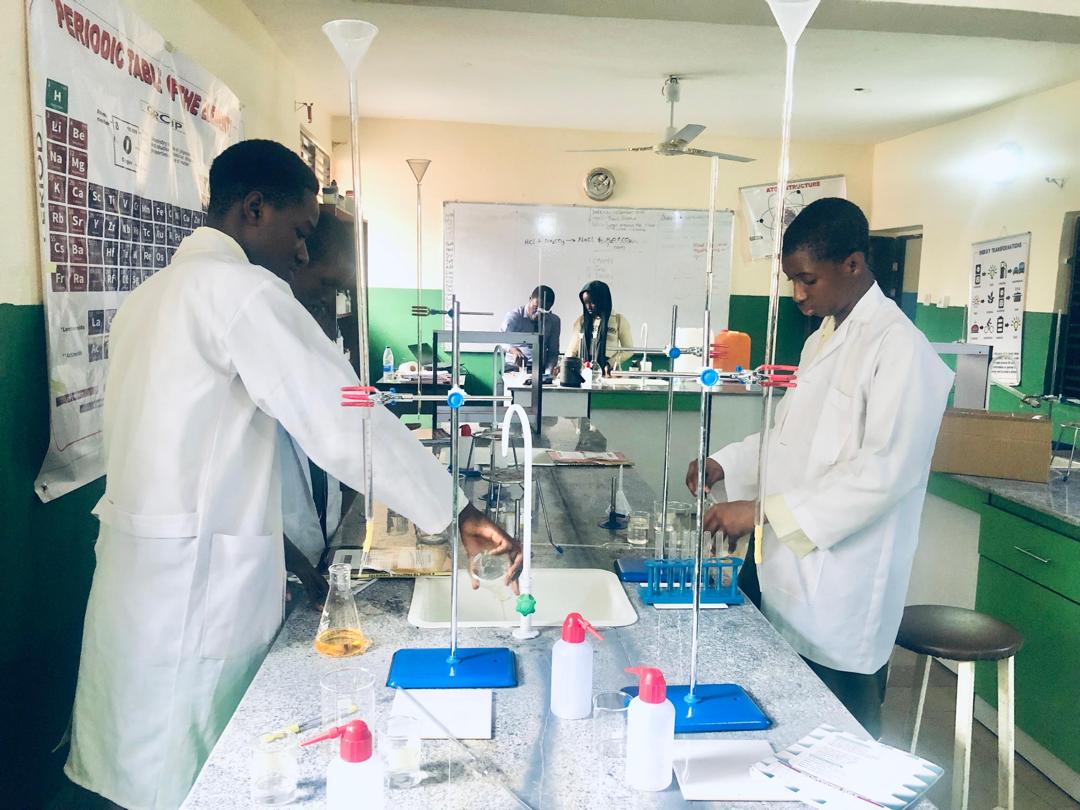
ACES students in the chemistry laboratory

One child, two curricula: what the British and Nigerian systems each give a Nigerian pupil

Parents often ask us to choose a side. We think that is the wrong question — the two systems are good at different things, and a child who has both is not confused, but equipped.

The Nigerian National Curriculum, developed through the Nigerian Educational Research and Development Council, roots a child in the country they live in: its history, its civic structures, its languages, its literature. It is also the route to the Basic Education Certificate Examination, NECO and the WASSCE — the qualifications that Nigerian universities admit on, alongside the UTME.

The British National Curriculum contributes a different strength: an enquiry-led approach that asks pupils to explain reasoning rather than reproduce it, and a route to the IGCSE, which is recognised by institutions internationally.

What this means in practice at ACES. A student leaving our Secondary school can sit BECE, NECO and WASSCE and apply to any Nigerian university on equal terms — or sit IGCSE and apply abroad. The decision does not have to be made in Nursery 1, or even in JSS 1. It stays open, which is the entire point.

It is worth being honest about the cost: a dual curriculum is more demanding to teach and more demanding to sit. It requires teachers who genuinely know both systems, and it is one reason we invest as heavily as we do in continuing professional development for our staff.
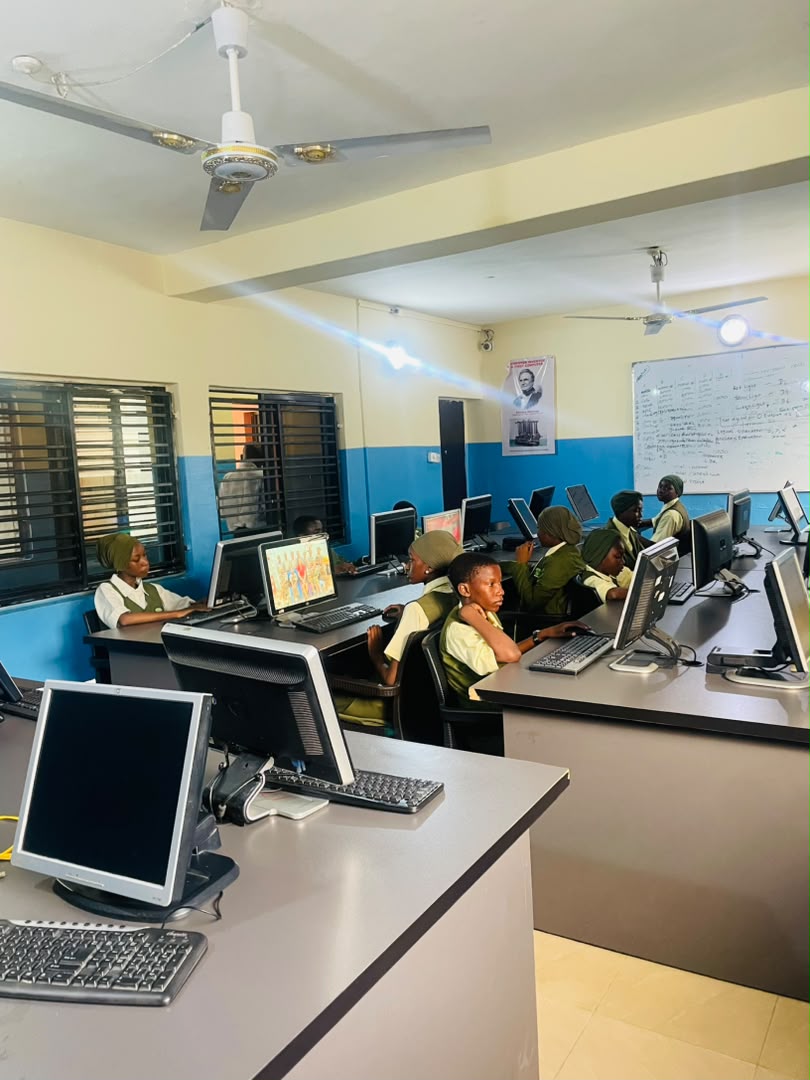
ACES students working in the ICT suite

Examinations are moving to the screen — and it starts earlier than parents think

The UTME has been computer-based for over a decade, and the direction of travel across Nigerian examinations is clearly towards the screen. The implication for younger pupils is easy to miss.

A candidate sitting a computer-based paper is not only being tested on the subject. They are being tested on whether they can navigate an interface under time pressure, track which questions they have flagged, and stay calm when the mouse does not do what they expected. A pupil who first meets a computer in the examination hall is at a real and entirely avoidable disadvantage.

This is not solved by a crash course in SS 3. It is solved by ordinary, unremarkable familiarity built up over years — typing, navigating, saving, searching, recognising when a screen is asking you something.

Where ACES puts its weight. Our ICT suite is a teaching space, not a showpiece. Structured, supervised digital work runs from Primary upwards, with high-speed internet access, laptops and interactive whiteboards used as a normal part of lessons rather than a treat at the end of term. By the time our students meet a computer-based examination, the computer is the least of their concerns.

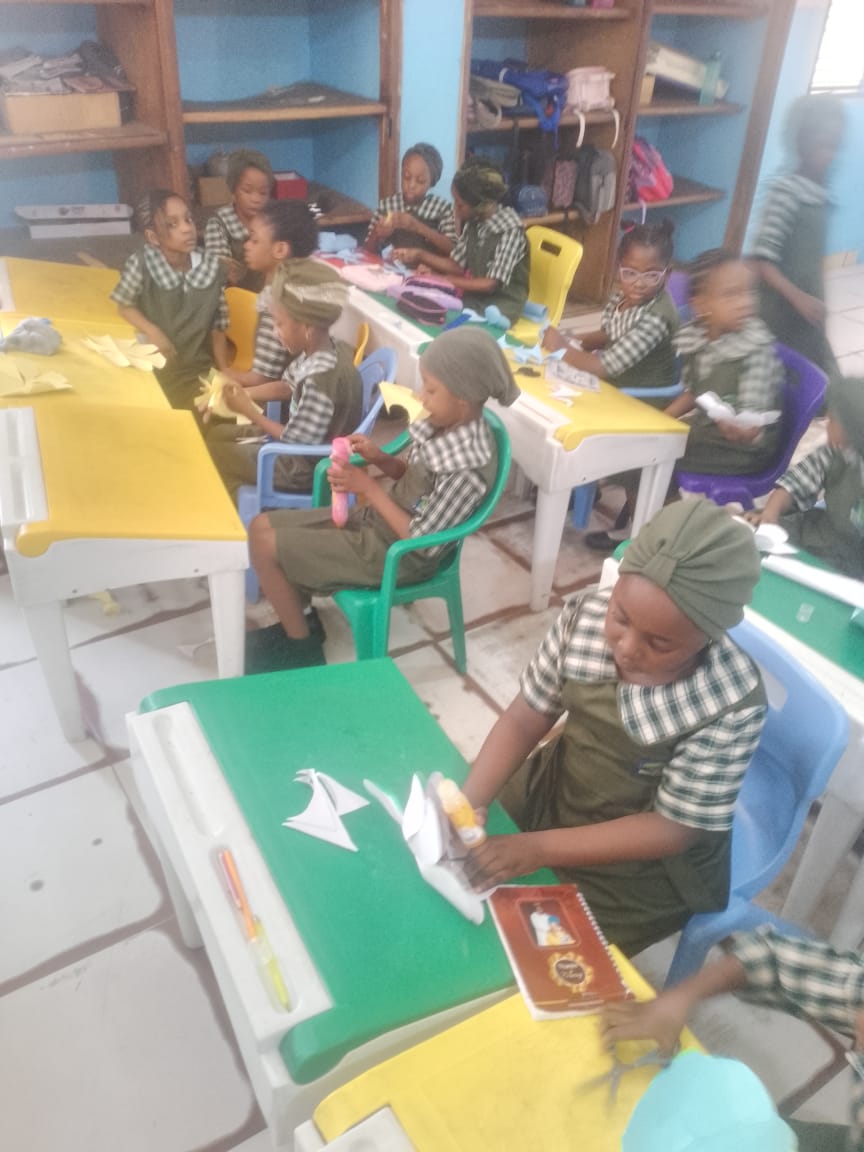
ACES pupils working together in class

Inclusive education in Nigeria: the policy exists, the practice is the harder part

Nigeria has a National Policy on Inclusive Education. The gap between a policy document and a child with dyslexia getting the help they need in a real classroom is where the actual work sits.

Inclusion is often reduced to admission — a school agrees to enrol a child with additional needs and considers the matter settled. But a place in a classroom is not the same as access to the lesson. Without trained staff, adjusted materials and a plan specific to that child, an inclusive admission can quietly become an exclusive experience.

Two things make the difference: specialist staff who know what they are looking at, and small enough classes that a teacher can act on what they notice. Many learning differences — dyslexia in particular — are first spotted not through formal assessment but by a teacher who sees the same pattern of error week after week.

Where ACES puts its weight. We run a dedicated Special Educational Needs department staffed by trained and experienced specialists, providing individualised support for pupils with a range of learning and developmental needs — including Autism Spectrum Disorder, Down Syndrome, dyslexia and ADHD. Combined with classes of 15 to 20, it means a child who needs something different is far likelier to be identified early and supported properly.

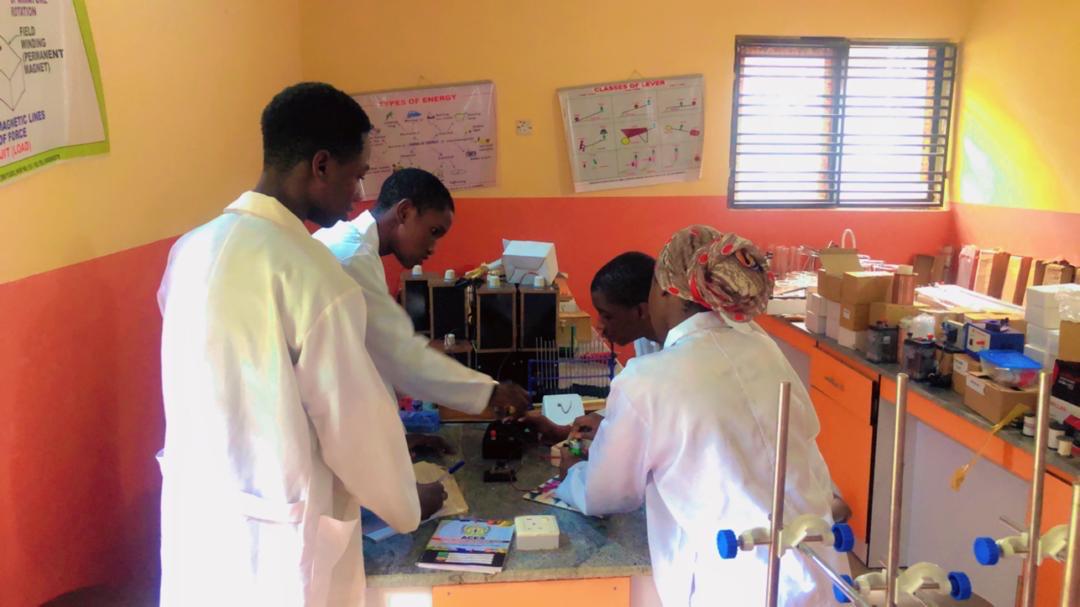
ACES students working in the science laboratory

Why robotics belongs in a Nigerian primary classroom

Robotics in a Primary school sounds like a luxury. Taught properly it is one of the most efficient ways to teach a child to think in ordered steps — and it costs a fraction of what people assume.

The value is not that a nine-year-old builds a machine. It is that building one forces a particular discipline: break the problem into steps, put the steps in order, test, find the step that failed, fix it, test again. That is computational thinking, and it transfers directly into Mathematics, into practical Science, and into any subject where a pupil has to debug their own reasoning rather than wait to be told they were wrong.

It also changes a child’s relationship with failure. In most of school, a wrong answer is a mark against you. In a robotics lab, a thing that does not work is simply the next problem — which is a far healthier and far more accurate model of how real work goes.

Where ACES puts its weight. We maintain a dedicated Robotics Laboratory alongside our science laboratories and ICT suite. It supports the digital and problem-solving skills the national curriculum increasingly asks for, and it feeds directly into the practical papers our Secondary students sit in WASSCE, NECO and IGCSE.

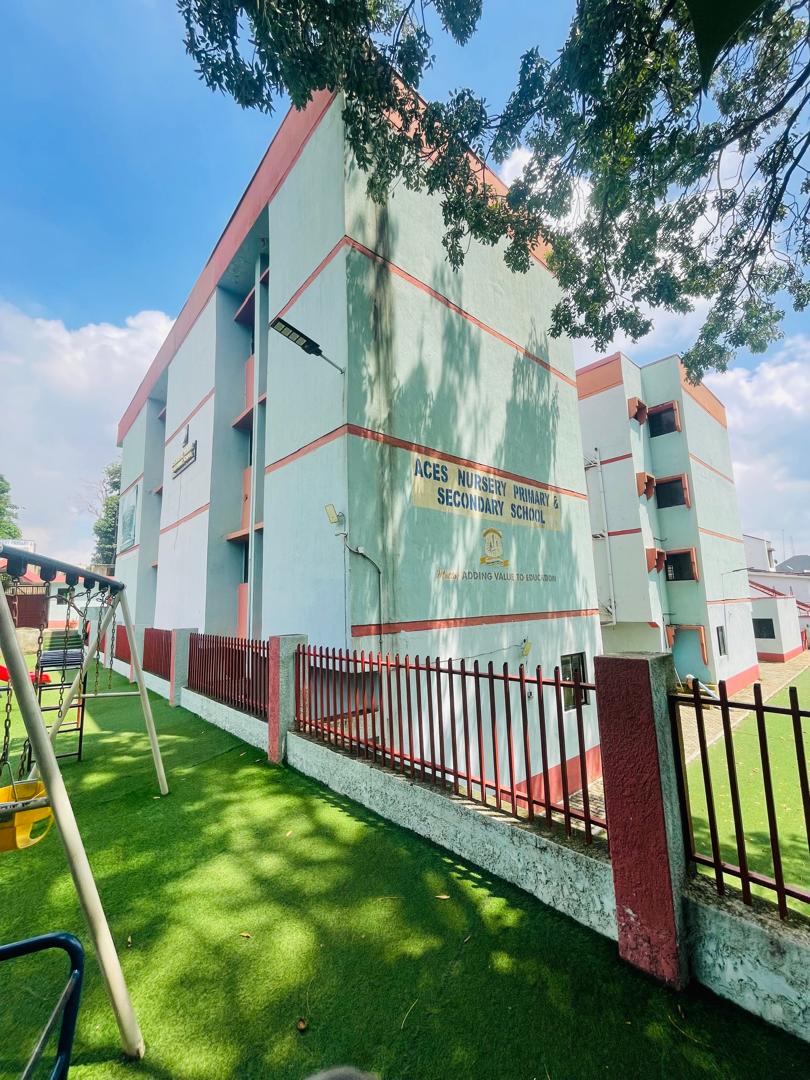
The secure ACES campus perimeter in Garki District, Abuja

Safe schools: the questions parents should actually ask

School safety in Nigeria is a national policy priority, and every school will tell you it is a priority for them too. Here is how to test that claim rather than take it.

Ask who is at the gate, and when. Not whether there is security, but whether entry points are staffed around the clock and whether access is controlled and recorded. A gate that is manned at drop-off and unattended at eleven in the morning is not a controlled perimeter.

Ask what happens after a bullying incident is reported. Every school has a zero-tolerance statement. Ask to see the disciplinary policy and the student code of conduct, and ask whether parents receive them at enrolment. A policy that families have never read is not a policy.

Ask directly about corporal punishment. Ask what the school does when a child repeatedly misbehaves. If the answer involves flogging, you have learned what you needed to know.

Where ACES puts its weight. Uniformed, trained security personnel are stationed at all entry points 24 hours a day, seven days a week, and access to the premises is controlled and monitored. Our Student Code of Conduct is shared with pupils and parents at enrolment. Our approach to discipline is restorative and corrective — counselling, mentoring and age-appropriate consequences. Corporal punishment, flogging and any form of degrading treatment are prohibited, without exception.

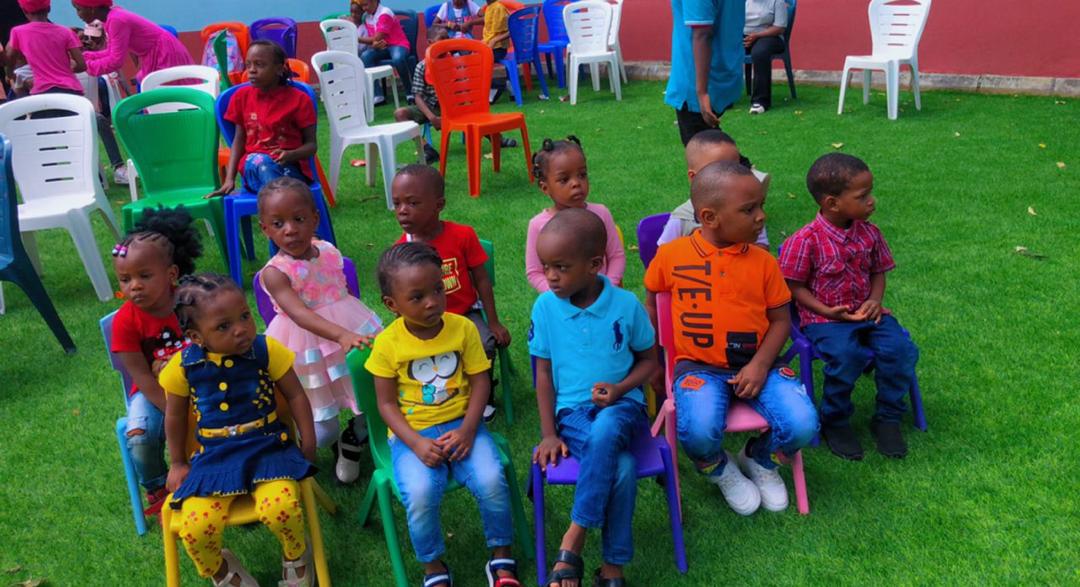
ACES nursery children at an outdoor school event

Early years education is not childminding

Early Childhood Care and Development Education is recognised in Nigeria as part of basic education, not as preparation for it. The distinction changes what a good Nursery ought to look like.

A well-run early years classroom looks, to an untrained eye, like play. Children are sorting objects, naming colours, taking turns, listening to a story, counting out portions at snack time. What is actually happening is the construction of the vocabulary, number sense and self-regulation that Primary teaching will assume is already there.

The children who arrive in Primary 1 struggling are rarely the ones who were not taught letters early enough. They are usually the ones who arrive with a thin vocabulary, little experience of being read to, and no practice at sitting with a task they find difficult.

Where ACES puts its weight. Our Crèche, Reception and Preparatory section is staffed by specialists and runs on the same continuous pathway as Nursery and Primary, so there is no discontinuity at the point it matters most. Events like Fruit Day and our class assemblies are not breaks from the curriculum — they are where the language, counting and confidence work actually happens.

Questions about your own child?

Our Admissions Office is happy to talk through curriculum, class sizes, SEN provision or anything else raised here.